Zone 8 Shrubs: The Ultimate Guide to Choosing the Best Options for Your Garden
Shrubs are a popular choice among gardeners because of their versatility and low maintenance. They can be used as hedges, borders, or standalone plants that provide year-round interest. In zone 8, which includes areas with an average minimum temperature range of 10°F to 20°F (-12°C to -6°C), there are plenty of options for shrubs that can thrive in these conditions.
In this ultimate guide, we'll cover everything you need to know about zone 8 shrubs, including their characteristics, planting tips, and maintenance requirements. We've also included a list of the best zone 8 shrubs to help you choose the perfect plants for your garden.
Characteristics of Zone 8 Shrubs
Zone 8 shrubs come in a wide variety of sizes, shapes, and colors. Some common characteristics of these plants include:
Evergreen foliage: Many zone 8 shrubs have evergreen foliage, which means they retain their leaves all year round. This makes them an excellent choice for providing year-round interest in your garden.
Drought tolerant: Zone 8 is known for its hot, dry summers, so it's important to choose shrubs that can tolerate drought conditions. Some examples of drought-tolerant zone 8 shrubs include Russian sage, butterfly bush, and lavender.
Cold hardy: While zone 8 doesn't experience extremely cold temperatures, it's still important to choose shrubs that can withstand freezing temperatures. Some cold-hardy zone 8 shrubs include boxwood, viburnum, and holly.
Sun or shade loving: Zone 8 offers a range of growing conditions, from full sun to partial shade. It's important to choose shrubs that are suited to the amount of sun or shade in your garden. Some examples of sun-loving zone 8 shrubs include rosemary, crape myrtle, and abelia, while shade-loving options include hydrangea, azalea, and camellia.
Best Zone 8 Shrubs for Your Garden
Boxwood: Boxwood is a classic choice for hedges and topiary because of its dense foliage and slow growth rate. It can tolerate both sun and shade and is cold hardy.
Butterfly bush: Also known as buddleia, butterfly bush attracts pollinators with its fragrant flowers. It's drought tolerant and prefers full sun.
Crape myrtle: Crape myrtle is a popular choice for its beautiful summer flowers and fall foliage. It prefers full sun and is drought tolerant.
Holly: Holly is an evergreen shrub that produces bright red berries in the winter. It's cold hardy and prefers partial shade.
Hydrangea: Hydrangeas are known for their large, showy blooms in shades of pink, blue, and white. They prefer partial shade and regular watering.
Lavender: Lavender is a fragrant herb that produces purple flowers in the summer. It's drought tolerant and prefers full sun.
Rosemary: Rosemary is an evergreen herb that can be used for cooking. It prefers full sun and well-drained soil.
Russian sage: Russian sage produces tall spikes of purple-blue flowers in late summer. It's drought tolerant and prefers full sun.
Viburnum: Viburnum is a versatile shrub that produces flowers in the spring and berries in the fall. It's cold hardy and prefers partial shade.
Weigela: Weigela produces trumpet-shaped flowers in shades of pink, red, and white. It prefers full sun and regular watering.
Planting Tips for Zone 8 Shrubs
When planting zone 8 shrubs, it's important to choose the right location and soil conditions. Here are some tips to keep in mind:
Choose a site with the appropriate amount of sun or shade for your chosen shrub.
Make sure the soil is well-drained and nutrient-rich. If your soil is heavy clay, consider amending it with compost or sand to improve drainage.
Water your shrubs regularly, especially during hot, dry weather. However, be careful not to overwater, as this can lead to root rot.
Mulch around your shrubs to help retain moisture and suppress weeds.
Prune your shrubs regularly to maintain their shape and promote healthy growth. Different shrubs require different types of pruning, so make sure you research the specific needs of your chosen plant.
Maintenance Requirements for Zone 8 Shrubs
Zone 8 shrubs are generally low maintenance, but they still require some care to keep them looking their best. Here are some tips for maintaining your zone 8 shrubs:
Fertilize your shrubs once or twice a year with a balanced fertilizer.
Monitor your shrubs for signs of pests or disease. Common problems include spider mites, scale insects, and powdery mildew.
Remove any dead or damaged branches as soon as possible to prevent the spread of disease.
Prune your shrubs regularly to remove any dead or diseased branches and to promote healthy growth.
Water your shrubs regularly, especially during hot, dry weather.
Frequently Asked Questions
Q1: Are all zone 8 shrubs evergreen?
A: No, not all zone 8 shrubs are evergreen. While many do have evergreen foliage, there are also deciduous options that lose their leaves in the fall.
Q2: Can I grow roses in zone 8?
A: Yes, you can grow roses in zone 8. Choose varieties that are suited to your growing conditions, such as 'Knock Out' roses, which are disease-resistant and drought tolerant.
Q3: What is the best time of year to plant zone 8 shrubs?
A: The best time to plant zone 8 shrubs is in the fall or early spring, when the weather is cooler and there is less stress on the plants.
Q4: How much should I water my zone 8 shrubs?
A: This will depend on the specific needs of your chosen shrub, as well as the weather conditions in your area. As a general rule, it's better to underwater than overwater, as too much water can lead to root rot.
Q5: Can I plant zone 8 shrubs in containers?
A: Yes, you can plant zone 8 shrubs in containers. Just make sure the container is large enough to accommodate the roots of your chosen plant, and use a well-draining potting mix.
Q6: Do zone 8 shrubs need to be pruned?
A: Yes, most zone 8 shrubs benefit from regular pruning to maintain their shape and promote healthy growth. However, different shrubs require different types of pruning, so make sure you research the specific needs of your chosen plant.
Q7: Are there any zone 8 shrubs that attract pollinators?
A: Yes, many zone 8 shrubs attract pollinators with their flowers, including butterfly bush, crape myrtle, and weigela.
Q8: Can I grow fruit trees in zone 8?
A: Yes, you can grow a variety of fruit trees in zone 8, including apple, cherry, and peach trees.
Q9: What is the best way to protect zone 8 shrubs from frost?
A: Covering your zone 8 shrubs with a frost blanket or burlap can help protect them from frost damage.
Q10: Do I need to fertilize my zone 8 shrubs?
A: Yes, it's a good idea to fertilize your zone 8 shrubs once or twice a year with a balanced fertilizer to promote healthy growth.
Zone 8 shrubs offer a wide range of options for gardeners looking for low maintenance plants that provide year-round interest. By choosing the right shrubs for your growing conditions and following our planting and maintenance tips, you can create a beautiful and thriving garden that will be the envy of your neighborhood.
14 Zone 8 shrubs Images

Ilex Crenata Hoogendorn Hoogendorn Japanese HollyA Low Growing

Cold Hardy Shrubs How To Find Shrubs For Zone 3 Gardens Shade Shrubs

Primrose Yellow French Lilac Syringa Live Plant Quart Pot

Trees Shrubs For Zone 8 Trees And Shrubs Shrubs Tree

33 Best Plants For A Rock Garden Shade Plants Drought Tolerant

Pin Page

Fruity Germander Teucrium Cossonii Zone 811 Full Sun 4 Height 4

8 Best Early Spring Bloomers Images On Pinterest High Country Gardens

Euonymus Alatus Compactus Compact Burning Bush Planting Flowers

Shrubs For ShadeCount On Shrubs To Add Height To Planting Areas In Part

Choosing Shrubs For The Landscape Learn About Landscaping Shrubs

15 Perennials That Grow In Zone 8 1000 In 2020 Shade Perennials
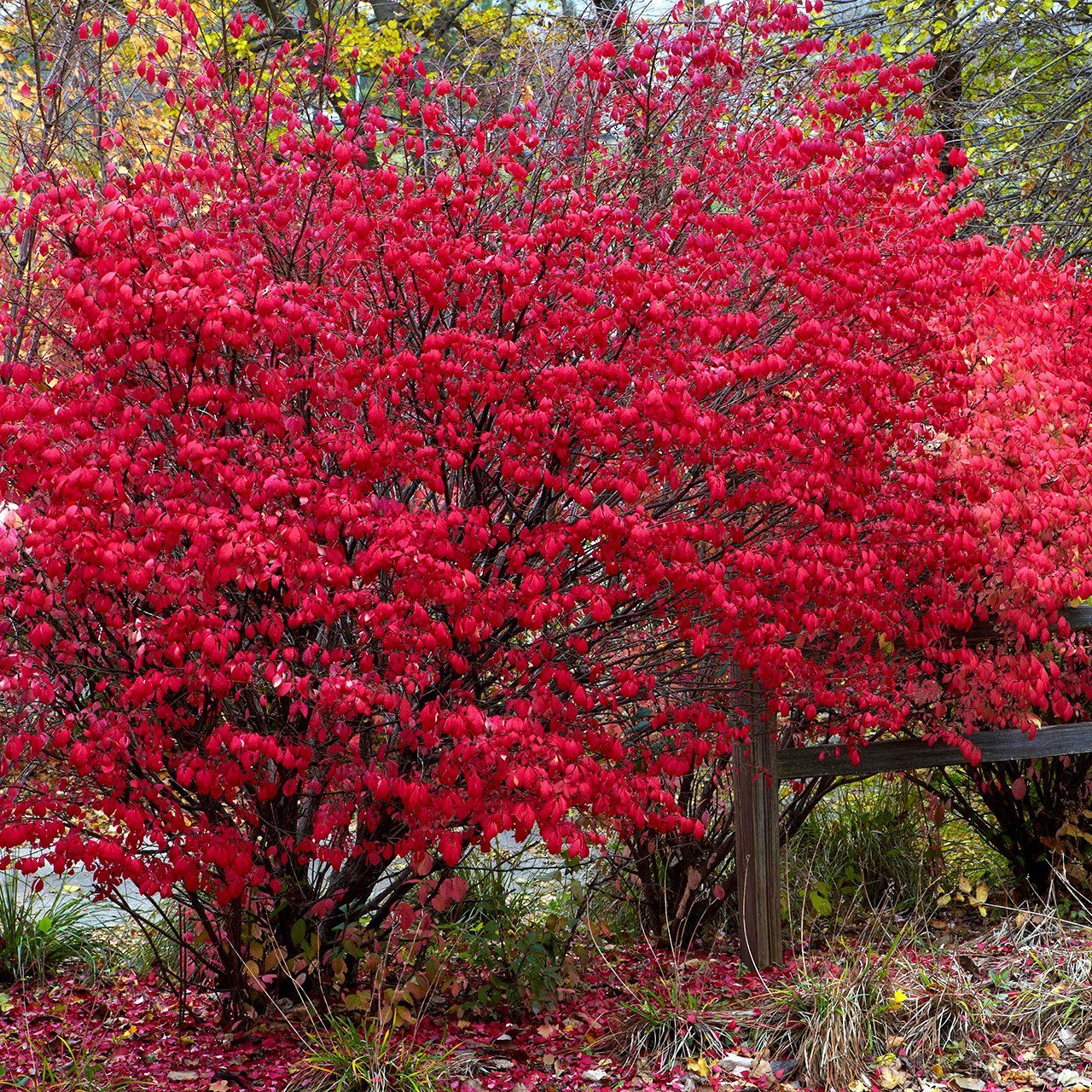
Staghorn Sumac Rhus Typhina Shrub Shade Shrubs Landscaping Shrubs

10 Evergreen Shrubs For Privacy Zone 3 7 Grow Beautifully
Posting Komentar untuk "Zone 8 Shrubs: The Ultimate Guide to Choosing the Best Options for Your Garden"