Orange Spider Plant: A Beautiful and Easy-to-Grow Houseplant
If you're looking for an indoor plant that's easy to care for, striking in appearance, and has a unique name, the orange spider plant might just be what you need. This houseplant, also known as Chlorophytum orchidastrum, is native to South Africa and is a popular choice among plant enthusiasts all over the world.
In this blog post, we'll take a closer look at the orange spider plant, its characteristics, how to care for it, and much more. So, let's dive in!
Characteristics of Orange Spider Plant
The orange spider plant is a type of spider plant that stands out because of its bright orange central stripe that runs down the length of its leaves. The plant can grow up to 12 inches tall and 24 inches wide, and it has long, slender leaves that cascade gracefully from the pot. Its flowers are small, white, and star-shaped, and they bloom in late spring or early summer.
Like other spider plants, the orange spider plant is an air-purifying plant that removes pollutants from the air. It's also a non-toxic plant, which makes it safe for pets and children.
How to Care for Orange Spider Plant
One of the reasons why the orange spider plant is so popular is that it's very easy to care for. Here are some tips to help you keep your orange spider plant healthy and thriving:
Light Requirements
The orange spider plant prefers bright, indirect sunlight. Direct sunlight can scorch its leaves, while too little light can cause it to lose its vibrant color. If you notice that your plant's leaves are turning yellow or brown, it might be getting too much sun.
Watering
Water your orange spider plant regularly but don't overwater it. Allow the soil to dry out between waterings, and make sure that the pot has good drainage. If the soil is too wet, the roots can rot and cause the plant to die.
Soil
The orange spider plant prefers well-draining soil that's rich in organic matter. You can use a commercial potting mix or create your own by mixing equal parts peat moss, perlite, and vermiculite.
Temperature
The orange spider plant prefers temperatures between 60°F and 75°F. It can tolerate lower temperatures, but it's sensitive to cold drafts and sudden temperature changes.
Humidity
The orange spider plant prefers moderate to high humidity levels. You can increase the humidity around your plant by placing a tray of water near it or using a humidifier.
Propagation Methods for Orange Spider Plant
There are two primary methods to propagate an orange spider plant: division and planting offsets.
Division
To divide an orange spider plant, remove it from its pot and gently separate the root ball into two or more sections. Each section should have its own set of leaves and roots. Plant each section in its own pot and water it thoroughly.
Offsets
Offsets are small plantlets that grow on the mother plant's stems. To propagate an orange spider plant using offsets, wait until the plantlet has several leaves and roots. Cut it off from the mother plant with a sharp, clean knife, and plant it in its own pot.
Common Problems with Orange Spider Plant
Like any houseplant, the orange spider plant can experience issues from time to time. Here are some common problems and how to fix them:
Yellow Leaves
Yellow leaves can indicate overwatering, underwatering, or too much direct sunlight. Make sure that you're watering your plant properly and that it's getting the right amount of light.
Brown Tips
Brown tips can indicate low humidity or a lack of water. Increase the humidity around your plant or adjust your watering schedule.
Root Rot
Root rot can occur if the soil is too wet. If you notice that your plant's leaves are turning yellow and falling off, check the roots for signs of rot. If you find any, remove the affected roots and repot your plant in fresh soil.
The orange spider plant is a beautiful and easy-to-grow houseplant that's perfect for beginners and experienced plant enthusiasts alike. It's striking in appearance and has air-purifying properties, making it a great addition to any home or office. With the right care, your orange spider plant will thrive and brighten up your space for years to come.
Frequently Asked Questions about Orange Spider Plant
Q1. How often should I water my orange spider plant?
A1. Water your orange spider plant once a week or when the top inch of soil feels dry to the touch.
Q2. Can I fertilize my orange spider plant?
A2. Yes, you can fertilize your orange spider plant once a month during the growing season using a balanced fertilizer.
Q3. Can I grow an orange spider plant outdoors?
A3. The orange spider plant is a tropical plant and prefers warm temperatures. It can be grown outdoors in USDA hardiness zones 9-11, but it's best to keep it indoors as a houseplant.
Q4. Can I prune my orange spider plant?
A4. Yes, you can prune your orange spider plant to control its size or shape. Use clean, sharp scissors to cut off any dead or damaged leaves.
Q5. Do I need to repot my orange spider plant?
A5. You should repot your orange spider plant every two to three years or when it outgrows its pot.
Q6. Why are the leaves on my orange spider plant turning brown?
A6. Brown leaves can indicate low humidity, a lack of water, or too much direct sunlight. Adjust your watering schedule and increase the humidity around your plant.
Q7. How big do orange spider plants grow?
A7. Orange spider plants can grow up to 12 inches tall and 24 inches wide.
Q8. Can I grow an orange spider plant from seed?
A8. Yes, you can grow an orange spider plant from seed, but it's easier to propagate it using division or offsets.
Q9. Is the orange spider plant toxic to pets?
A9. No, the orange spider plant is non-toxic to pets and humans.
Q10. How do I increase the humidity around my orange spider plant?
A10. You can increase the humidity around your orange spider plant by placing a tray of water near it or using a humidifier.
12 Orange spider plant Images

Orange Spider Plant Chlorophytum Amaniense Fire Flash

19 Spider Plant Ideas Spider Plants Plants Houseplants
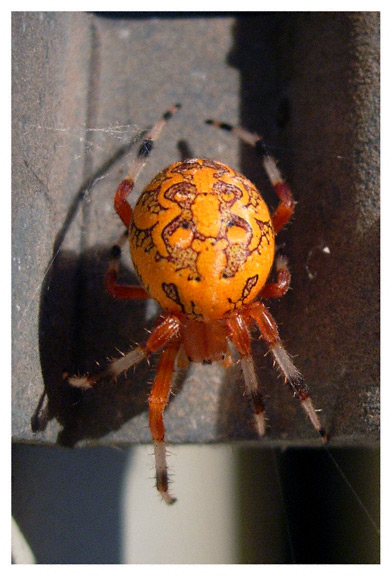
Spider Orange And Google Images On Pinterest

Spider Plant Vertical Garden Plants Northcote Client Pinterest

Plants Plant Life

I Love My Spider Plant Spider Plants Plants Plant Life

My Spider Plant Is Flowering Spider Plants Plants Flowers

Dahlia Orange Spider Cactus More Cactus Dahlias Please

Orange Spiders Small Orange Spider Female Orange Spider Black

Spider Plant 1000 Spider Plants Plants Spider Plant Care

How To Take Care Of Spider Plants This Post Explains Everything

Very Small Orange Spider Hypsosinga Orange Spider Spider Natural
Posting Komentar untuk "Orange Spider Plant: A Beautiful and Easy-to-Grow Houseplant"